You commented. Here they are.
The exact prompts behind the work. No email wall, no course. Take them, run them, make something.
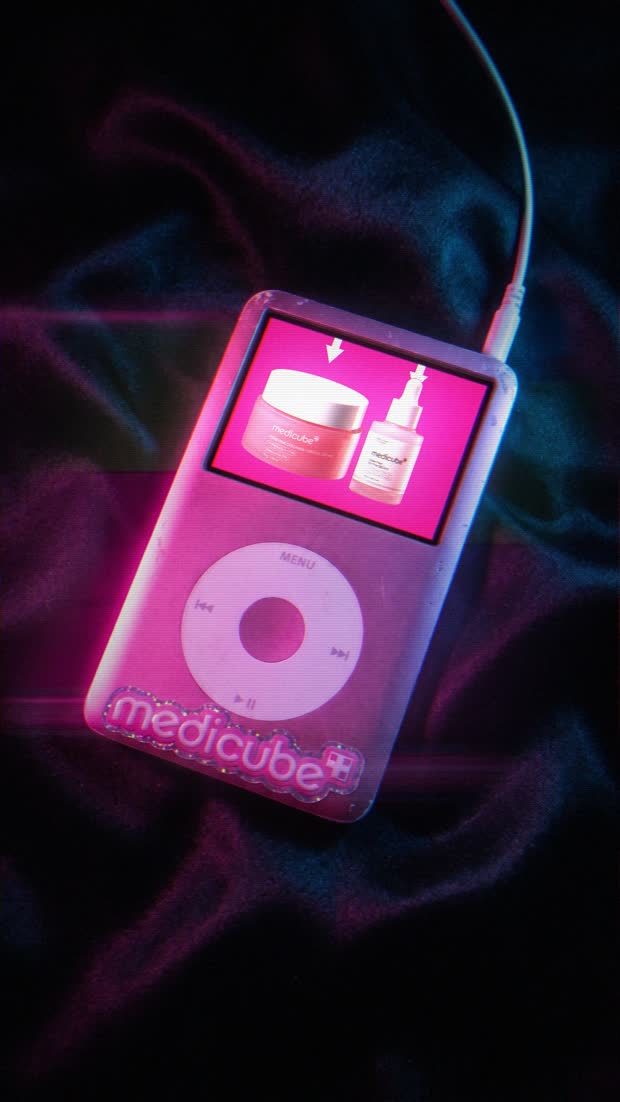
A spec film for medicube PDRN. Skincare as an early 2000s music video, playing on the screen of a pink iPod somebody covered in stickers. No brief, no client, no camera. Three prompts did the products and the world. Everything that actually moves was built somewhere else, which is the interesting part.
The exact product in the reference image, re-photographed as a solid three-dimensional object floating in empty space. Three-quarter view from slightly above so the full oval of the lid's top surface is visible and the depth of the cylinder reads clearly. Strong dimensional modelling so it looks like a chunky solid object and not a flat cutout: a bright specular highlight sweeping across the curved lid, a soft darker turned edge down one side of the body, a brighter rim of light down the other, a crisp highlight along the lip where the lid meets the body. No cast shadow, no contact shadow, no floor, no surface, no horizon, no reflection. It floats free on a completely flat deep saturated fuchsia field with no gradient and no vignette. Crisp, clean, high contrast, product-shot sharpness.
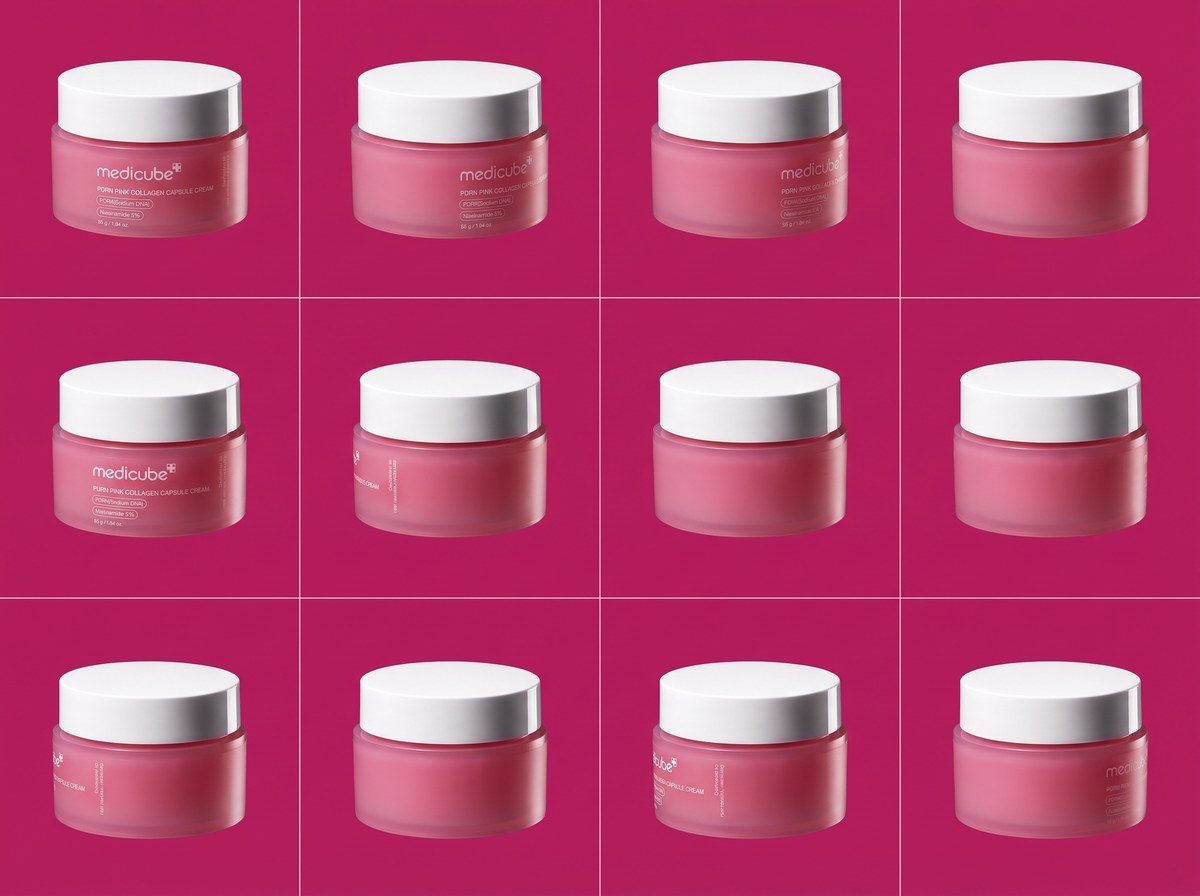
A product turnaround sheet: a strict 4 column by 3 row grid of twelve equal cells on a completely flat deep saturated fuchsia background. No grid lines, no borders, no labels, no numbers. Every cell contains the exact same product from the reference image, upright and perfectly vertical, centred in its cell, exactly the same size in every cell, filling about 70 percent of its cell height. The only thing that changes from cell to cell is the horizontal rotation of the product about its own vertical axis in even 30 degree steps: reading left to right then top to bottom, cell 1 is the front label facing camera at 0 degrees, then 30, 60, 90 showing the side, 120, 150, 180 showing the back, 210, 240, 270 showing the other side, 300, and 330 coming back round toward the front. The camera height, distance, lens and lighting are absolutely identical in every cell. No cast shadow, no contact shadow, no floor, no reflection in any cell.
A real photograph of a pink anodised aluminium iPod classic. It is night and the room lights are off. The iPod lies on a dark surface, near black crumpled satin, most of which falls away into deep shadow. Hard raking light from a hot magenta source low to the left, skimming across the brushed aluminium so the metal catches a long bright specular streak down its left edge. A cooler electric blue rim light from the upper right catching the opposite edge and the cable. Everything between those two lights falls into near black. A white earbud cable comes out of the top and runs off frame. Stuck on the body, a puffy three-dimensional vinyl sticker of the brand logo, glossy, thick raised puffy edges, a fine holographic glitter outline, one corner very slightly lifting.

The screen is a completely flat solid pure chroma green rectangle. Nothing on it: no image, no menu, no text, no icons, no reflection, no glare, no gradient, no glow. Flat even green, hard-edged, perfectly rectangular, edges parallel to the body, and no green light spilling onto the metal or the surface.
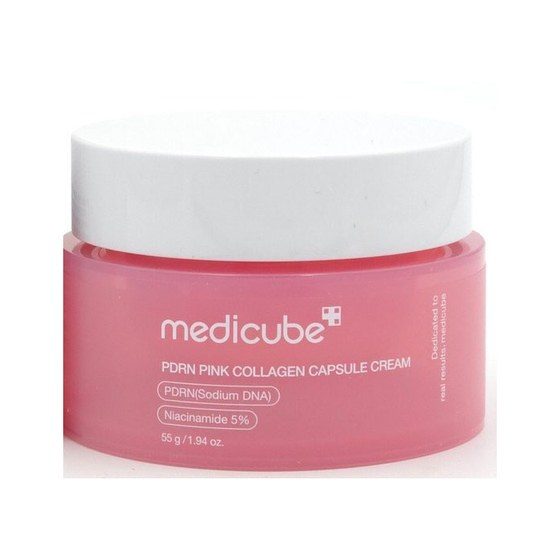 →
this is all it started as. an e-commerce packshot off a retail listing.
→
this is all it started as. an e-commerce packshot off a retail listing.
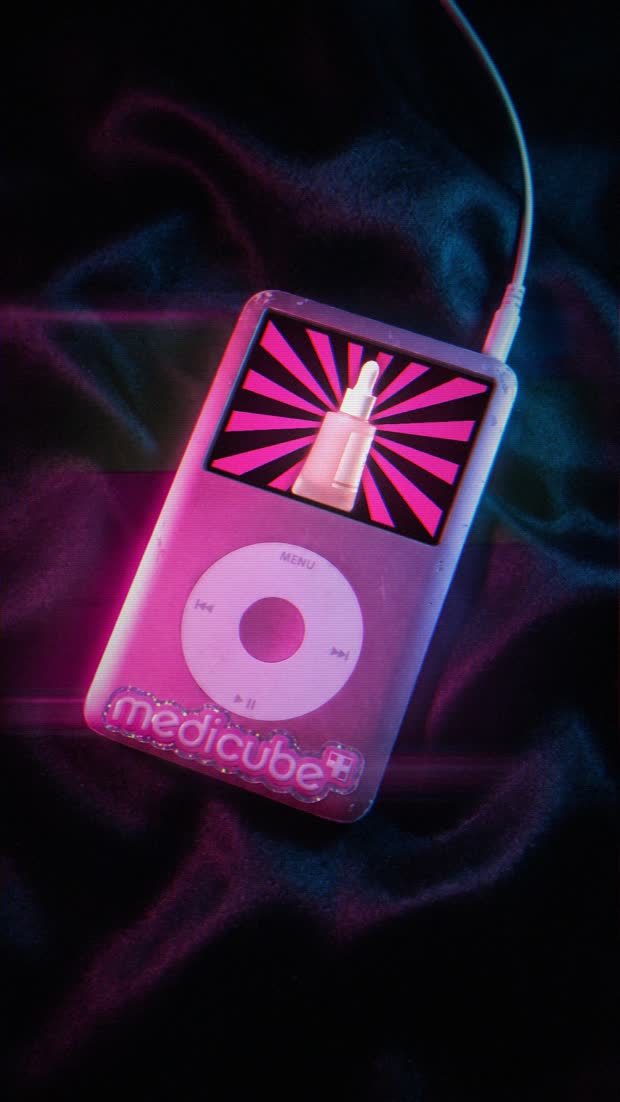
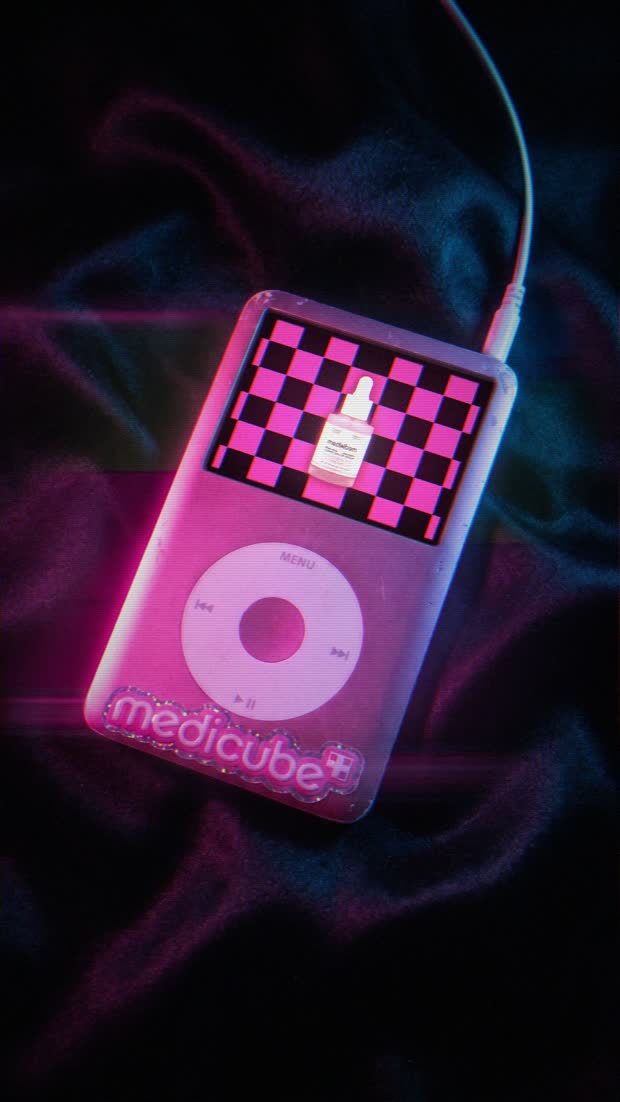
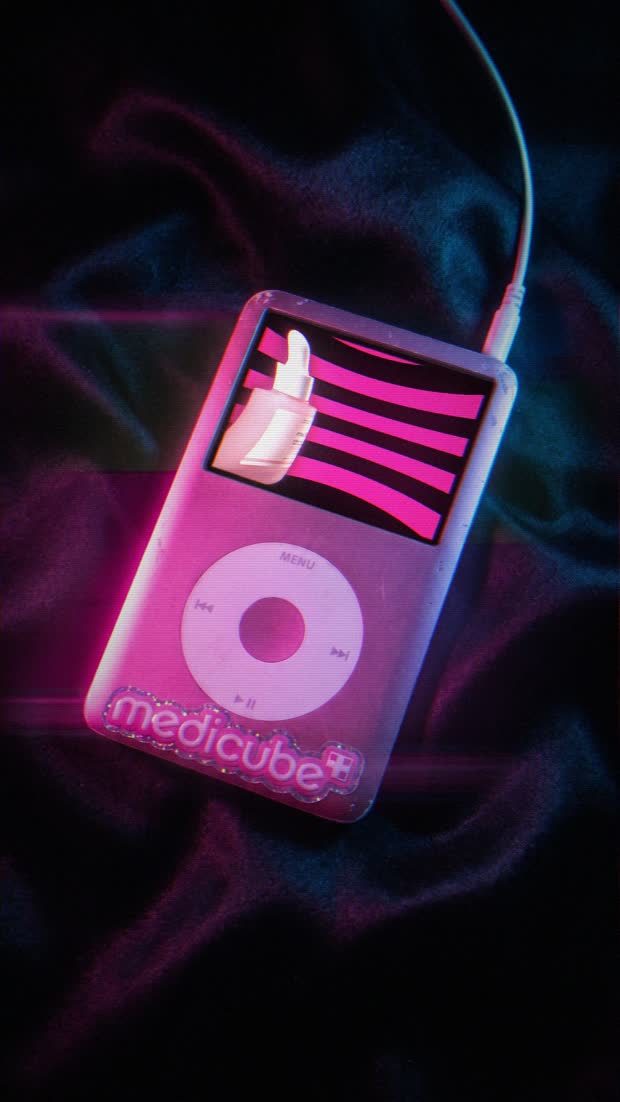
Nano Banana Pro — packs, turnarounds, the device · a beat-locked timeline — every frame of motion · a CRT pass — scanlines, chroma bleed, grain, tracking bar · twenty-four generated images in total, three of which are turnaround sheets.
The prompt is the easy part.
The other ninety percent is knowing what to art direct, which reference to feed it, and what to throw away. That part doesn't fit in a caption. So, two doors.
Work with us.
You want the result, not the homework. Tell us the brand and we make the content. Done, on brand, in every format you need.
Start a brief →Learn it from us.
You want to run it in house. We teach the whole method, one on one or to your team. Paid sessions, everything we actually do, nothing held back.
Book a session →